Field Notes · June 27, 2026 · 6 min · By Carmen Vandermeer
How do Mohs surgery scars heal over time?
A fresh scar looks its worst early and keeps improving for a year.
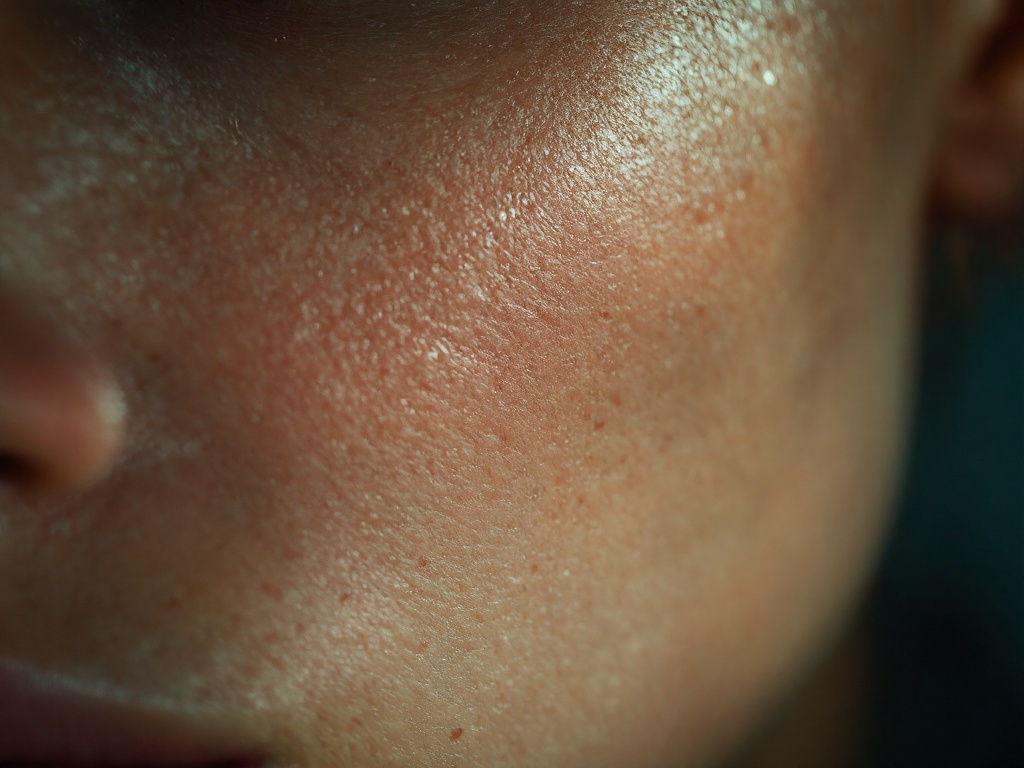
A Mohs scar tends to look its worst in the first few weeks and then improves steadily for up to a year or more, so the fresh appearance right after healing is not the final result.
In the early days, the repaired area is often red, firm, and slightly raised, and it may look more noticeable than you expected. This is normal wound healing, not a bad outcome. Over the following weeks the redness fades, the firmness softens, and the scar begins to flatten and blend. The most dramatic improvement usually happens in the first three to six months, with continued subtle refinement out to a year, which is why surgeons ask patients not to judge a scar too early.
Several things the surgeon controls give a scar its best start. Placing incisions along natural skin lines and creases, matching skin color and texture with the right reconstruction method, and handling tissue gently all reduce how visible the final scar will be. This is part of why the surgeon's experience with repair in the treated area, especially the face, matters so much when choosing who performs your Mohs.
What you do afterward also shapes the result. Following the wound-care instructions closely, typically keeping the area moist and protected as it heals, supports a cleaner scar. Once the wound has closed, sun protection is important because a new scar can darken with UV exposure. Many surgeons also recommend gentle scar massage after healing, and sometimes silicone gel or sheeting, to help a scar soften and flatten. If a scar stays raised, red, or firm longer than expected, treatments such as steroid injections, laser, or minor revision can improve it, so a scar you are unhappy with is rarely the end of the story.
It helps to remember why the scar is there in the first place. Mohs is chosen precisely because it spares the most healthy tissue while thoroughly clearing the cancer, so the wound it leaves is usually as small as the tumor allowed. That tissue conservation gives reconstruction the best possible starting point.
For patients, the practical mindset is patience. Give a Mohs scar the full year it needs to mature, protect and care for it in the meantime, and raise any concerns with your surgeon rather than assuming the early appearance is permanent. The great majority of Mohs scars settle into something far less noticeable than they first appear.