Dispatch · February 5, 2026 · 6 min · By Dorian Eklund
Skin cancer and Mohs in immunosuppressed patients
Transplant recipients and others face higher risk and need vigilant care.
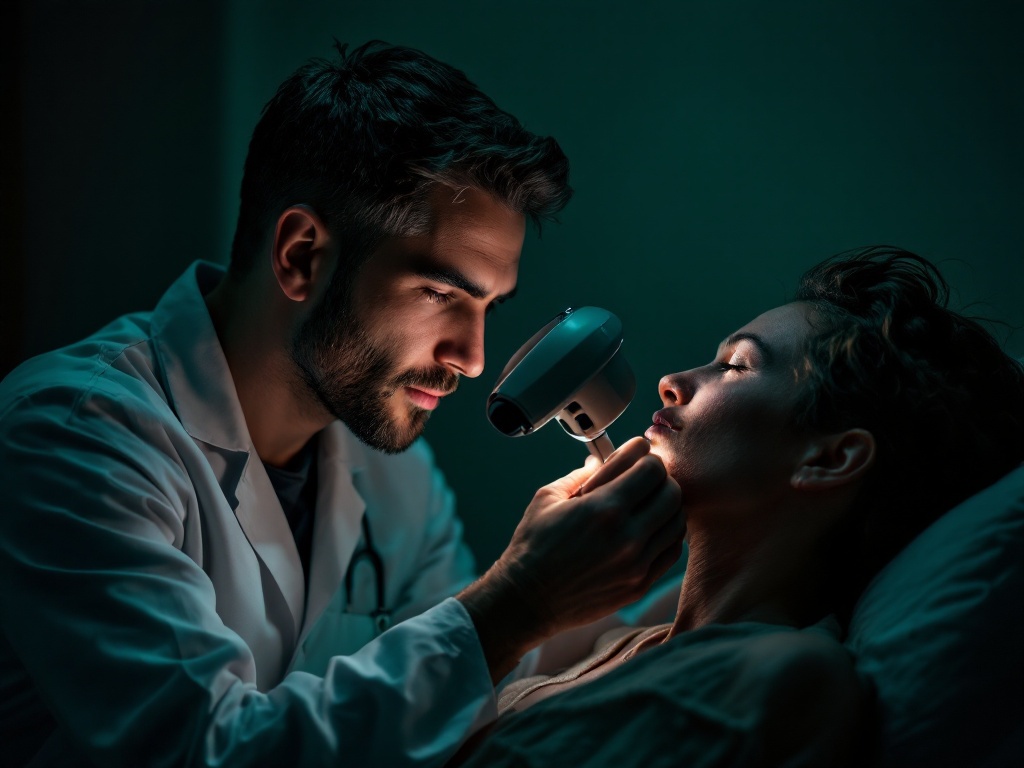
People whose immune systems are suppressed, organ transplant recipients, those on certain medications, and others, develop skin cancers far more frequently and sometimes more aggressively, making thorough treatment and surveillance especially important.
The immune system normally helps keep abnormal skin cells in check, and suppressing it removes some of that protection. Transplant recipients in particular can develop numerous skin cancers, often squamous cell carcinomas that can behave more aggressively than in the general population. For these patients, Mohs surgery is frequently the treatment of choice for appropriate tumors because its high cure rate matters even more when the risk of recurrence and of new cancers is elevated, and its tissue conservation helps in people who may face many procedures over time.
Beyond surgery, immunosuppressed patients need rigorous, frequent skin surveillance to catch new cancers early, aggressive sun protection, and sometimes preventive treatment of precancerous lesions and coordination with their transplant or specialty team. The overarching message is vigilance: in this group, skin cancer is common, can be serious, and rewards early detection and thorough treatment. Regular dermatology checks on a schedule the doctor sets, combined with Mohs for appropriate tumors, form the backbone of protecting these higher-risk patients over the long term.