Advances · July 1, 2026 · 6 min · By Boris Achampong
Why is Mohs the gold standard for basal cell carcinoma?
Basal cell carcinoma is common and curable, and Mohs cures it most reliably.
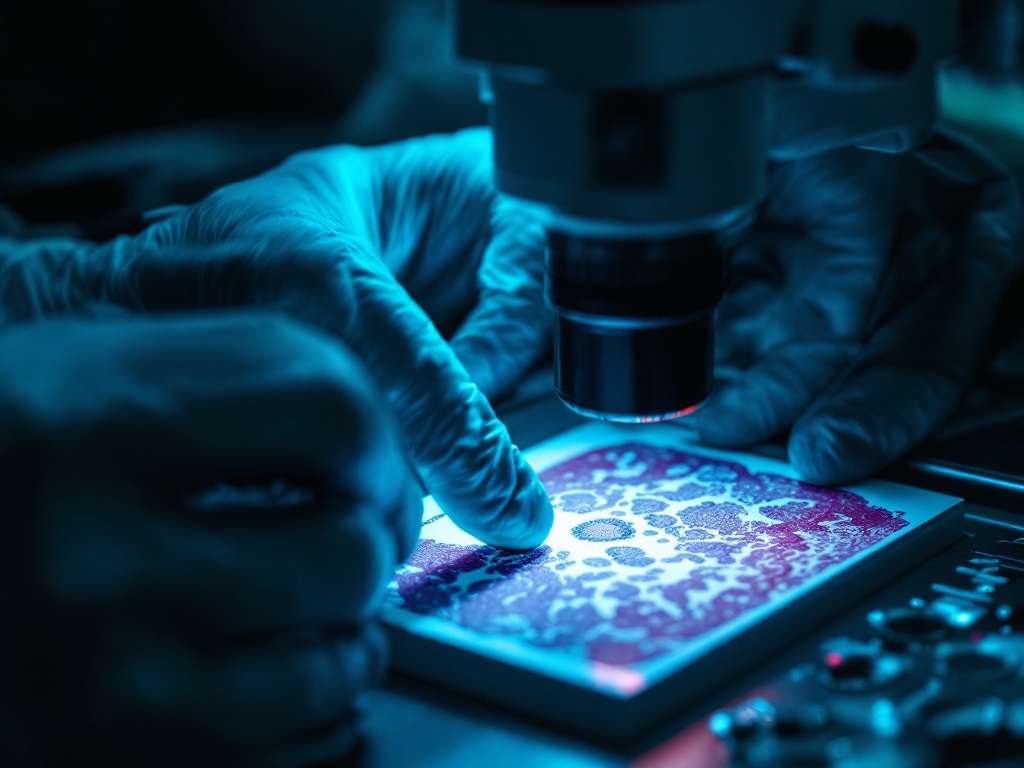
Mohs is considered the gold standard for basal cell carcinoma because it combines the highest cure rate of any treatment with the least sacrifice of healthy tissue, which is exactly the balance this common cancer calls for.
Basal cell carcinoma is the most frequently diagnosed skin cancer, and while it rarely spreads to distant parts of the body, it grows locally and can be destructive if left untreated or incompletely removed, particularly on the face. Its most important quirk is that it often extends beneath the surface in ways that are invisible to the naked eye, sending roots past the edge of what looks like the tumor. Any treatment that does not track those roots risks leaving some behind, which is how a basal cell cancer recurs.
Mohs is built to solve precisely that problem. By removing the tumor a thin layer at a time and reading the complete margin under the microscope before closing, it follows the cancer wherever it actually reaches and confirms it is gone in the same visit. This is why Mohs achieves cure rates around 99% for primary basal cell carcinomas, meaningfully higher than standard excision, destruction, or radiation for comparable tumors.
The tissue-sparing side is just as important for basal cell carcinoma, because so many of these cancers appear on the face. Since Mohs removes only tissue that contains cancer, it leaves the smallest defect the tumor allows, which matters enormously on the nose, eyelids, ears, and lips where spare skin is scarce and appearance and function are at stake. A cure that also preserves the feature is the whole point.
Mohs is not required for every basal cell carcinoma. A small, low-risk lesion on the trunk may be handled well by simpler excision, and guidelines reserve Mohs for tumors where its advantages count: high-risk locations, aggressive subtypes, larger or recurrent tumors, and patients for whom recurrence would be especially costly. Within that appropriate range, though, nothing outperforms it.
For a patient told they have a basal cell carcinoma, the reassuring reality is that this is a highly curable cancer, and that Mohs offers the most reliable cure available when the tumor warrants it. Understanding why it earned the gold-standard label, complete margin control plus tissue conservation, makes it easier to see why so many facial basal cell cancers are referred for Mohs in the first place.