Dispatch · July 21, 2026 · 7 min · By Esperanza Whitford
The risks and complications of Mohs surgery, honestly explained
Mohs is one of the safest cancer operations performed, and knowing the small risks makes consent real.
Mohs micrographic surgery is one of the safest cancer operations performed anywhere in medicine, with serious complications occurring in well under one percent of cases. That is the headline, and it is genuinely reassuring. But informed consent means knowing what the small risks actually are, how often they happen, and which ones deserve a phone call to the office. This is the honest version of that conversation, the one worth having before you sit down for a full Mohs day.
The safety record comes from large, real-world data. A multicenter prospective study of 20,821 Mohs procedures published in JAMA Dermatology recorded adverse events in fewer than one percent of cases, with serious adverse events rarer still and no deaths reported. That safety profile is not an accident. Mohs is performed in an office under local anesthesia rather than general anesthesia, which removes the entire category of risk that comes with being put to sleep, and it is done by a surgeon who is looking at your tissue under a microscope the whole time. The Mayo Clinic lists bleeding, pain or tenderness, infection, and temporary or permanent numbness as the risks of the procedure, and that short list is essentially the whole story.
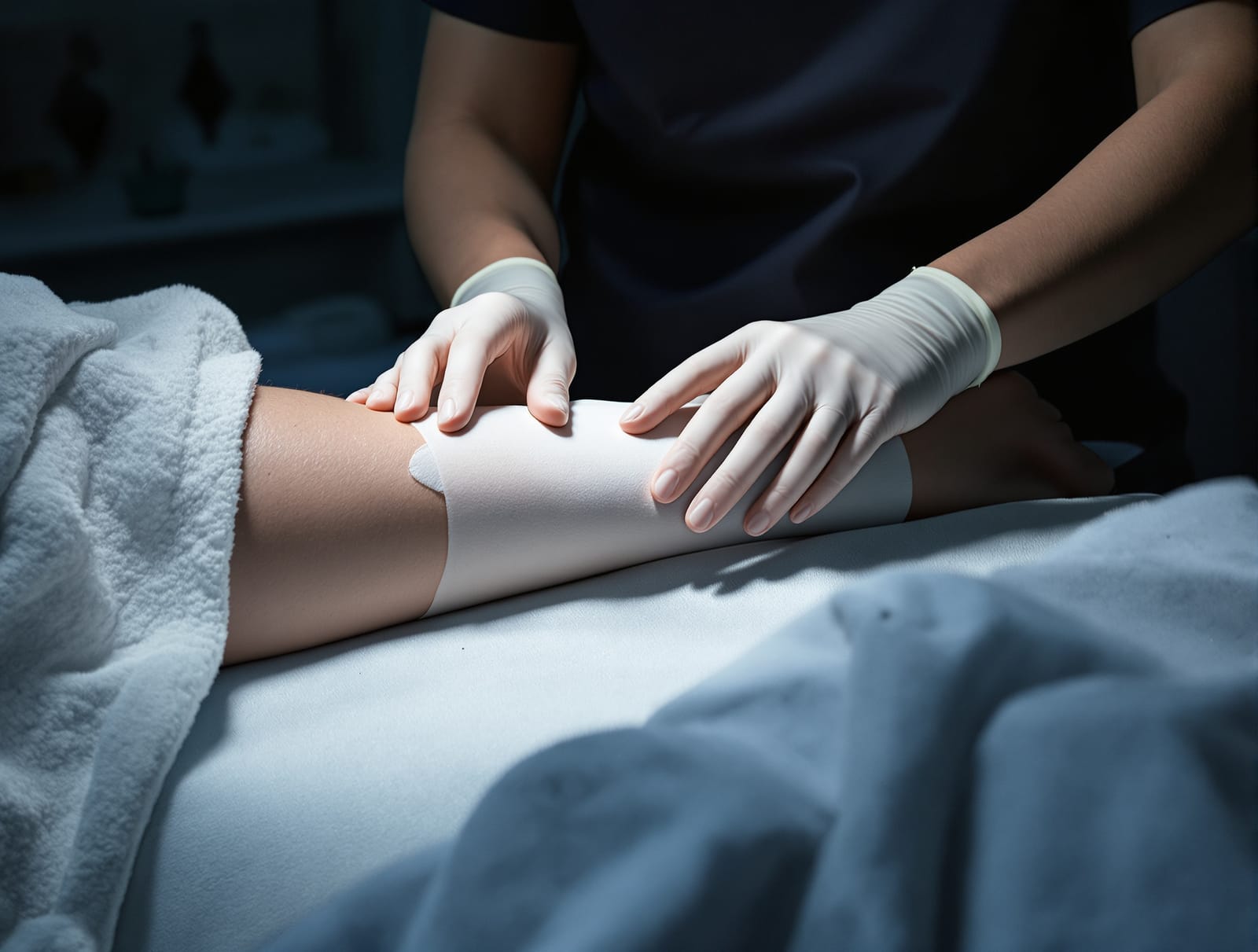
Bleeding is the most common issue, and it is usually manageable at home. Skin is well supplied with blood vessels, and some oozing after surgery is expected rather than alarming. The pressure dressing you go home in exists for exactly this reason, which is why leaving it undisturbed for the first day or two matters. Real bleeding, meaning blood that soaks through the bandage rather than spotting it, responds to firm continuous pressure held for a full 15 to 20 minutes without peeking. If it does not stop after that, the office wants to hear from you. Patients on blood thinners bleed somewhat more, but most surgeons now continue medically necessary anticoagulants through surgery because the risk of stopping them, including stroke and clots, outweighs the nuisance of extra oozing. Never stop a prescribed blood thinner on your own.
Infection is uncommon because of where and how Mohs is done. Reported wound infection rates after Mohs are low, generally in the low single digits of a percent, and most surgeons do not prescribe preventive antibiotics for routine cases. The signs worth calling about are specific and easy to remember: pain that increases rather than steadily decreases after the first few days, redness that spreads outward rather than sitting at the wound edge, warmth, thick or foul drainage, or a fever. Following the day by day wound care routine your surgeon writes out is the single most effective prevention, and it is not complicated.
Numbness around the site is common and usually temporary. Removing skin means cutting the tiny sensory nerve branches that run through it, so an area of altered or absent sensation around the scar is normal after any skin surgery. Most of it recovers over weeks to months as those small nerves regenerate, though a patch of permanent numbness at the site is possible, particularly with larger defects. Injury to a larger motor nerve, the kind that could cause weakness in a facial muscle, is genuinely rare and is one of the reasons surgical experience in high-risk anatomy matters when choosing your Mohs surgeon.
Itching, tightness, and odd sensations during healing are not complications. Many patients report itching around a healing wound, a pulling or tight feeling as the repair matures, or brief shooting sensations as nerves reconnect. These are normal parts of recovery, not signs that something has gone wrong. They fade along the same slow arc that the scar itself follows.
The scar is a certainty, not a risk, and it improves. Every skin cancer removal leaves a scar, so the honest framing is not whether you will have one but what it will look like. Mohs works in your favor here, because removing only tissue that actually contains cancer leaves the smallest defect the tumor allowed. Scars look their worst in the first weeks and then keep improving for a year or more. A minority heal thicker or more raised than hoped, and those can often be improved later with steroid injections, laser, or a small revision, so an unsatisfying early scar is rarely the final word.
The rarer problems are worth naming. Occasionally a wound edge or a skin graft does not survive fully and a portion breaks down, which is more common on the lower leg and in smokers, and usually heals in with dressing changes rather than another operation. A hematoma, meaning a collection of blood under the repair, can develop in the first day or two and sometimes needs to be drained. Allergic contact dermatitis to a topical antibiotic ointment is common enough that many surgeons now recommend plain petrolatum instead. And a small number of tumors turn out to be larger than expected, requiring more layers, a bigger repair than planned, or in rare cases a staged closure on another day.
Recurrence is the risk that Mohs is designed to minimize. No treatment is perfect, and roughly one percent of primary basal cell carcinomas treated with Mohs return, which is what the cure rate figure actually describes. That is the lowest recurrence rate of any available treatment, and it is precisely why the technique justifies the long day. Separately, having had one skin cancer raises your odds of developing a new, unrelated one elsewhere, which is why ongoing skin checks matter as much as the surgery itself.
Who faces slightly higher risk. Smokers heal measurably worse, so stopping even a few weeks before surgery helps. Patients with diabetes, poor circulation, or leg swelling face slower healing, particularly on the shin. Those on immunosuppressive medication, on multiple blood thinners, or with a history of poor wound healing should raise it at the consultation so the plan accounts for it. The American Academy of Dermatology emphasizes matching treatment to the individual tumor and patient, and these factors are part of that match.
The takeaway is that the risks of Mohs are real but small, mostly minor, and largely preventable or treatable. Knowing them does not make the decision harder; it makes it clearer. A little preparation before the day, honest disclosure of your medications and health conditions, and faithful wound care afterward reduce nearly every risk on this list, and they turn the highest cure rate in skin cancer treatment into a result you also feel good about.
Related reading: Wound care after Mohs surgery, day by day